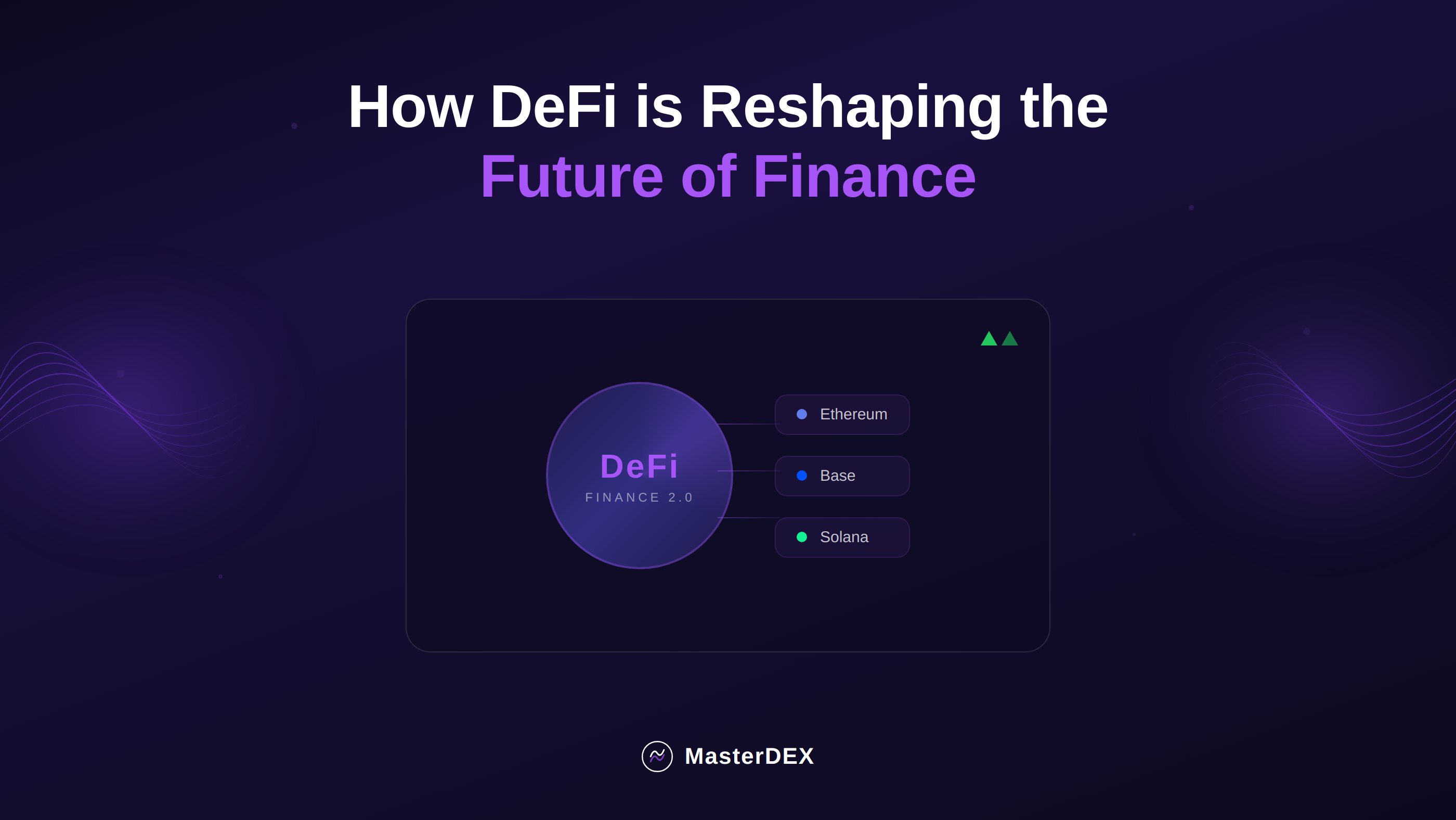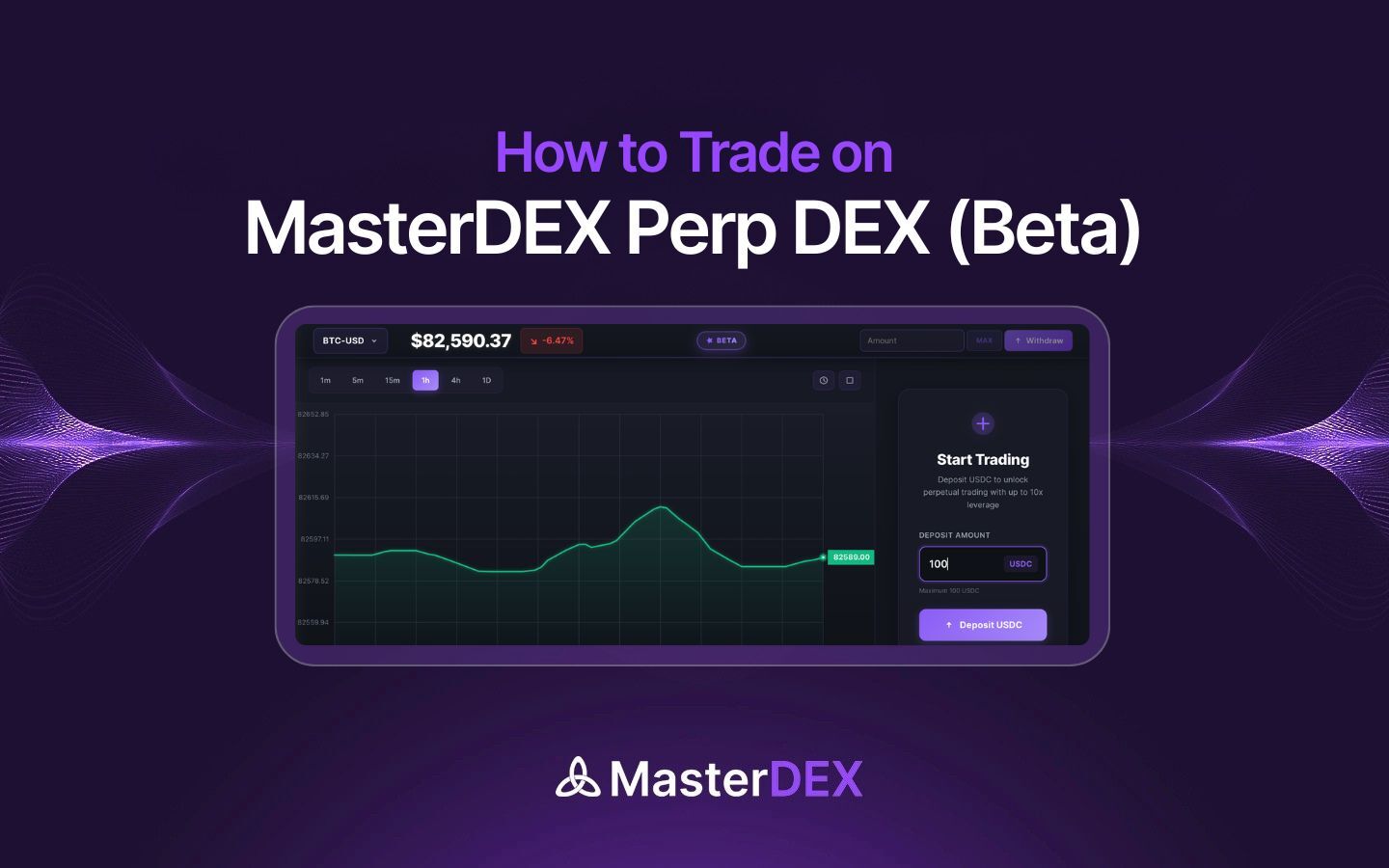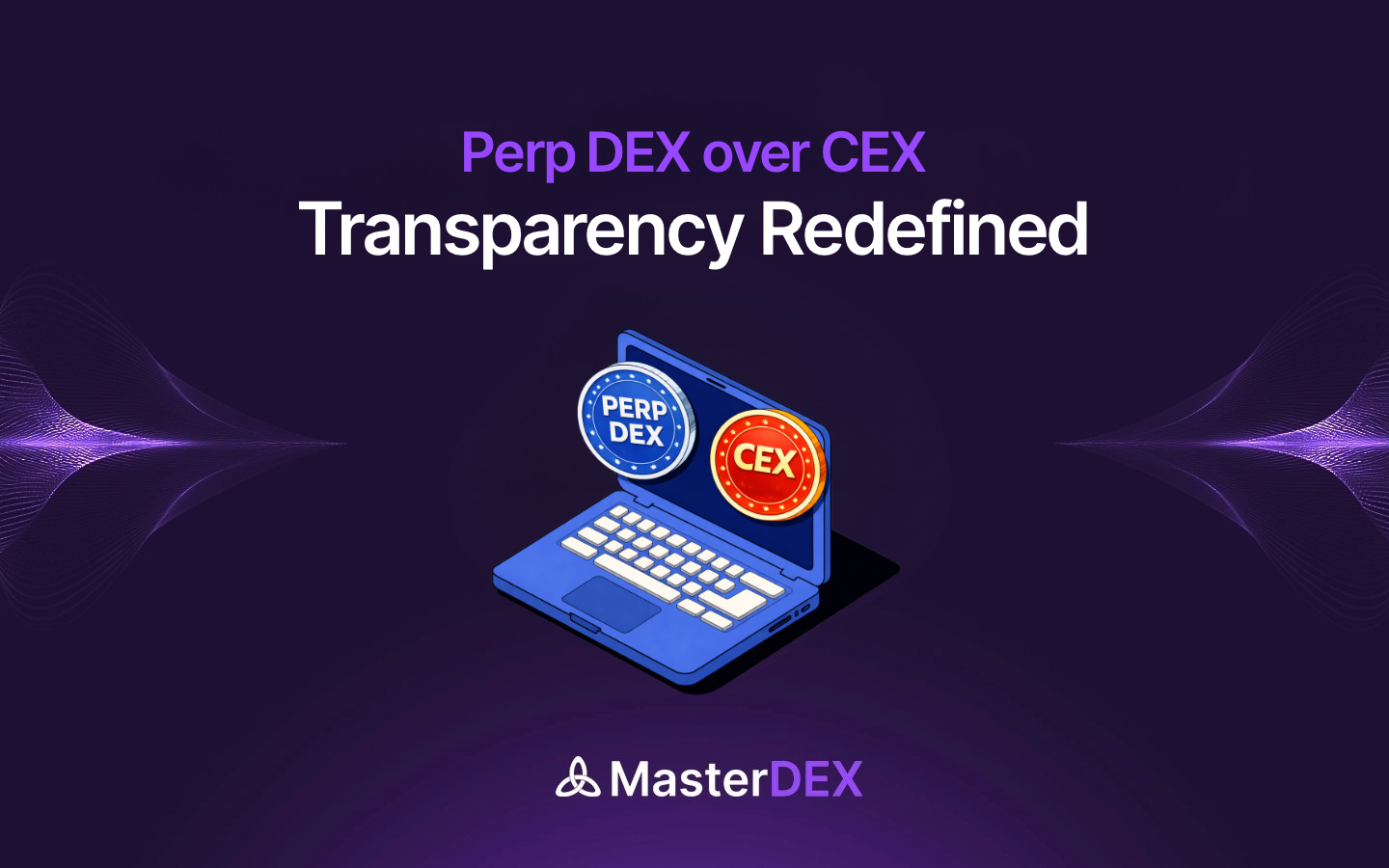
DeFi is no longer a buzzword; it is the engine driving the next wave of financial innovation in 2026. By removing intermediaries, enabling permissionless access, and delivering yield opportunities that traditional finance can’t match, DeFi is reshaping how we trade, invest, and manage risk. MasterDEX sits at the heart of this transformation, offering a suite of multi‑chain tools that turn the promise of open finance into everyday reality.
Key Takeaways
- MasterDEX aggregates liquidity across Ethereum, Base, and Solana, guaranteeing best‑price swaps.
- The DEX Explorer provides transparent, on‑chain data that rivals expensive TradFi terminals.
- PerpDEX brings leveraged futures to Base Chain without a central clearinghouse.
- Tokenized stocks let you own real‑world equity 24/7 on Solana.
- LP mining and the MDEX token create yield streams unavailable in legacy finance.
DeFi reshapes finance by replacing centralized intermediaries with open, permissionless protocols that offer real‑time pricing, cross‑chain liquidity, and new yield opportunities—all accessible through MasterDEX’s multi‑chain suite.
Why MasterDEX’s DEX Aggregator Is the Liquidity Engine DeFi Needed
Liquidity fragmentation has long been the Achilles’ heel of decentralized finance. Traders hopping between Uniswap, SushiSwap, and Curve often encounter price slippage, hidden fees, and delayed execution. MasterDEX’s DEX Aggregator solves this by routing each swap through the pool that offers the deepest liquidity and the most favorable rate, regardless of which chain the asset resides on. In 2026, the aggregator processes over $5 billion in daily volume, proving that DeFi can handle institutional‑grade throughput.
Beyond price efficiency, the aggregator’s smart‑order routing is powered by on‑chain price oracles that pull data from Ethereum’s core network and Solana’s high‑speed ledger. This multi‑chain approach eliminates the need for a single “home” exchange, embodying DeFi’s core principle of composability.
Cross‑Chain Transparency: How the DEX Explorer Unlocks Market Data
Traditional finance guards market depth behind costly terminals like Bloomberg. MasterDEX’s DEX Explorer democratizes that data, delivering real‑time token pair volumes, liquidity pools, and historical price charts across Ethereum, Base, and Solana—all for free. Users can spot arbitrage opportunities, assess pool health, and make data‑driven decisions without a subscription.
For analysts, the Explorer’s API endpoints enable automated monitoring scripts that feed directly into algorithmic trading bots. The result? A DeFi ecosystem where information asymmetry is dramatically reduced, fostering fairer competition.
| Aspect | Traditional Finance | DeFi (MasterDEX) |
|---|---|---|
| Access Hours | 9 am‑5 pm weekdays | 24/7, every day |
| Custody | Centralized custodians | Self‑custody via wallets |
| Pricing | Broker spreads | On‑chain best price via aggregator |
| Fees | High commissions | Network gas + minimal protocol fee |
Perpetual Futures on Base: DeFi’s Answer to Traditional Derivatives
Derivatives have historically been the domain of banks and specialized brokers. MasterDEX’s PerpDEX brings perpetual futures to the Base chain, allowing leveraged exposure to assets like BTC, ETH, and even tokenized stocks without a central clearinghouse. Trades settle on‑chain, eliminating counter‑party risk and enabling instant, trustless liquidation.
Leverage options up to 10x are available, with funding rates calculated transparently by the protocol. Users retain full ownership of collateral, and the system’s automated risk engine ensures that positions are liquidated only when safety thresholds are breached, protecting the broader liquidity pool.
Tokenized Stocks on Solana: Bringing Wall Street to DeFi
Imagine buying Apple shares at 3 am GMT, paying only network gas, and holding them in a non‑custodial wallet. MasterDEX’s Tokenized Stocks feature makes this possible by wrapping real‑world equities into Solana‑native tokens that are fully backed by custodial partners. The tokens trade 24/7, settle instantly, and can be used as collateral in other DeFi protocols.
This bridges the gap between TradFi and DeFi, giving retail investors access to diversified portfolios without the friction of brokerage accounts, KYC delays, or minimum deposit requirements.
LP Mining Campaigns and the MDEX Token: New Yield Paths
Liquidity provision used to be a niche activity limited to early adopters. MasterDEX’s LP Mining Campaigns democratize yield generation by rewarding users who supply liquidity to high‑impact pools, such as the MDEX/ETH Uniswap V4 pool on Base. Rewards are paid in the native MDEX token, which features a buyback‑and‑burn mechanism that continually enhances token scarcity.
Beyond simple APY figures, LP miners earn a share of transaction fees and can stake MDEX for additional protocol governance rewards. This layered incentive model is a pure DeFi construct—there is no analogue in traditional finance.
Unified Portfolio Tracker: Seeing All Your DeFi Positions at a Glance
Managing assets across three chains used to require juggling multiple wallets, dashboards, and spreadsheets. MasterDEX’s Portfolio Tracker aggregates balances, pending rewards, and performance metrics from Ethereum, Base, and Solana into a single, intuitive UI. Users can filter by token, view historical ROI, and export CSV reports for tax purposes.
Because the tracker reads directly from on‑chain state, there’s no reliance on third‑party data aggregators that could be compromised. The result is a transparent, real‑time snapshot of your entire DeFi footprint.
What’s Next for DeFi? Interoperability, Regulation, and Community Governance
DeFi’s trajectory points toward deeper cross‑chain interoperability, with projects like MasterDEX leading the charge by integrating EVM, Cardano, and Solana ecosystems. Regulatory clarity is emerging globally, and protocols that embed compliance hooks while preserving permissionless access will thrive.
Community governance, powered by the MDEX token, will increasingly dictate protocol upgrades, fee structures, and new product launches. As more users experience the tangible benefits—better rates, 24/7 markets, and novel yield streams—the shift from legacy finance to decentralized alternatives will accelerate.
Frequently Asked Questions
Is using MasterDEX safe for beginners?
Yes. MasterDEX employs audited smart contracts, real‑time price feeds, and a user‑friendly UI that guides new traders through each step. Beginners can start with small swaps on the DEX Aggregator and gradually explore LP mining or PerpDEX as they gain confidence.
Do I need to hold MDEX to use the platform?
No. MDEX is optional for staking and governance, but all core features—swaps, exploration, perpetuals, and tokenized stocks—are accessible to any wallet address.
Can I move assets between chains without leaving MasterDEX?
Yes. MasterDEX’s bridge layer lets you transfer assets from Ethereum to Base or Solana with a single click, preserving the same wallet address across chains.
How are fees calculated on the DEX Aggregator?
Fees consist of the underlying network gas plus a small protocol fee (typically 0.05%). The aggregator always displays the total cost before you confirm a trade.
What support is available if I encounter a problem?
MasterDEX offers 24/7 community support via Discord, a detailed knowledge base, and an email ticket system. For urgent contract‑level issues, the platform’s on‑chain governance can trigger emergency pauses.
Written by MasterDEX Team
The MasterDEX editorial team covers crypto, DeFi, staking strategies, and blockchain technology.